
The Body Knows
Andrea Murillo | Physical Theatre Artist, Creative Director, Somatic Coach, Artistic Director of MADRE Project

Photographer: @riley_palmer
Andrea Murillo has spent her career listening to the body. Her own. Her students’. The collective body of a room.
As a physical theatre artist, somatic coach, and Artistic Director of MADRE Project, she works at the place where movement meets meaning. Where what lives in the body finds its way into art. It’s precise, intuitive work. And it took her time to cultivate.
Over time, I began creating work that feels more aligned with my culture, my language, and the symbols that speak to my blood memory. That evolution gave me the courage to carve out my own path.
What do you do?
Physical Theatre Artist, Creative Director, Gyrotonic Instructor, and Somatic Coach. I’m also the Artistic Director of MADRE Project — a new organization offering performance opportunities and classes to dancers who want to reinvigorate their practice inside a safe, grounded community.
What’s one thing most people don’t know about you?
I have a deep passion for horseback riding. My father and grandfather had horses while I was growing up, so it’s always felt like part of my lineage. I’m especially drawn to the healing aspect of working with horses — equine-assisted therapy — and how it can support the nervous system. I hope to continue developing that practice, and to travel the world to experience wild horse herds in their natural habitats.
How has your work evolved since you first started out?
When I first started out, I was really focused on working with major dance and theatre companies. I was incredibly fortunate to learn from some of the greats through my time with the Martha Graham Dance Company and Punchdrunk’s Sleep No More in New York. Over time, especially after working in the circus, something began to shift. That environment taught me a lot about individuality and presence, and I started developing a stronger connection to my own artistic voice. Going to acting school deepened that even further. It gave me a process that truly met my curiosities and expanded the way I approach both movement and storytelling. Since then, my work has evolved from interpreting and performing within established structures to creating my own. I’ve become more interested in building original worlds, developing movement language, and following ideas that feel personally and creatively aligned. That shift has given me the courage to carve out my own path, creating independently and sharing work that reflects who I am now. At the same time, I still work closely with collaborators across film, stage, and television. I feel incredibly lucky to have a wide network of artists who are excited to share creative space and continue building work together.
Were there any moments that shifted your perspective?
A major turning point for me was a period in my life where I realized I had been shrinking myself to keep something outside of me comfortable, while my own needs were going unseen. My body eventually reached a breaking point, and it forced me to wake up and truly listen to myself. Choosing to step away meant starting over in a very real way, even letting go of work I had built. That moment asked me to confront myself honestly and rebuild from a place of truth. Since then, my work has become much more raw and personal. I feel more connected to myself than ever before, and my voice as an artist is clearer, more direct, and more honest in everything I create.
What is your creative process like?
It shifts depending on the project, but more and more it comes from a deeply personal place. I like to build a structure first and then play within it until I uncover the truth of a character or situation. When working on narrative or theatre, I start with a moodboard and a few abstract midpoints that map where a character is coming from and moving toward — then I improvise between those states until I find the threads that connect everything. When teaching, my process is rooted in presence and intuition. I tune into what the room needs in that moment and use imagery to introduce new ideas, giving the nervous system time and space to build new patterns.
Photographer: @riley_palmer
How do you navigate setbacks?
With a mix of awareness and self-compassion. I’ve come to trust that I move in seasons. Not every phase is meant for output — some are for rest, reflection, and quiet integration. As I’ve gotten older there’s been real relief in understanding that constant productivity isn’t always the goal. I’m naturally a passionate person, so part of my growth has been learning to self-soothe and gently guide myself through low-energy moments. Ease is allowed. Even something small is still movement forward.
What does community mean to you?
MADRE Project has been my biggest success — and it grew organically, without me chasing it. I started teaching a beginner contemporary class in Brooklyn and found my tribe. The people who showed up week after week all shared a common goal: to create a space for play, alignment, grit, and deep humanitarian values. That once-a-week class was the first space where I could fully be myself. One of the members, Chaya Ferguson, eventually helped organize us and played a key role in finding our own space. I now co-run MADRE Project with her, and it has deepened into something even more rooted and shared.
How do you define success?
It used to be about being seen by others and validated through external recognition. Now I define success as being able to truly see myself — and feel a joyful devotion to my output, my essence, and my soul. Less about arrival or approval, more about alignment. Whether what I’m creating and how I’m living feels honest, alive, and connected to who I am.
What's the best piece of advice you've ever received?
No one knows what they are doing, not even the adults.
What are you working on right now?
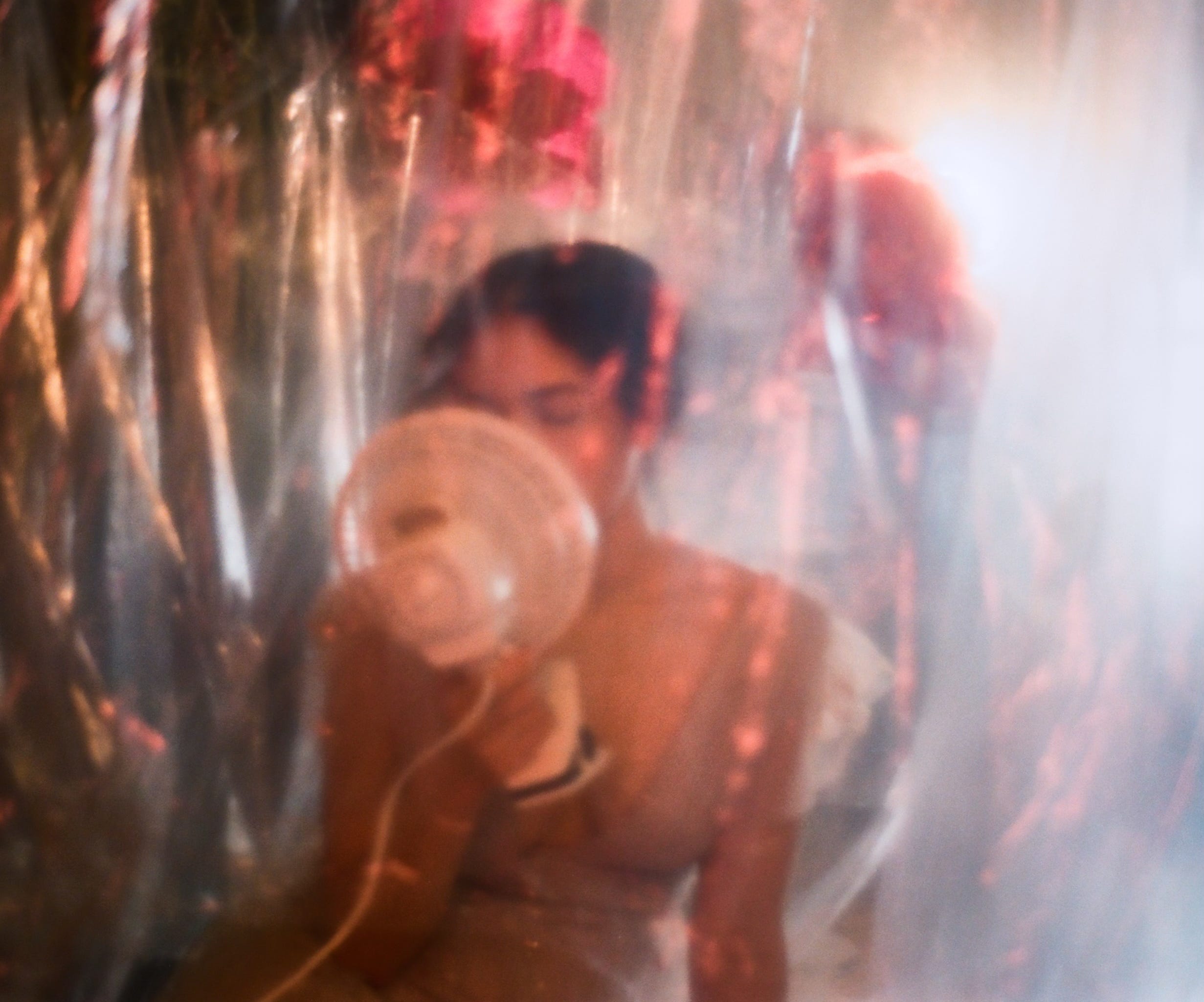
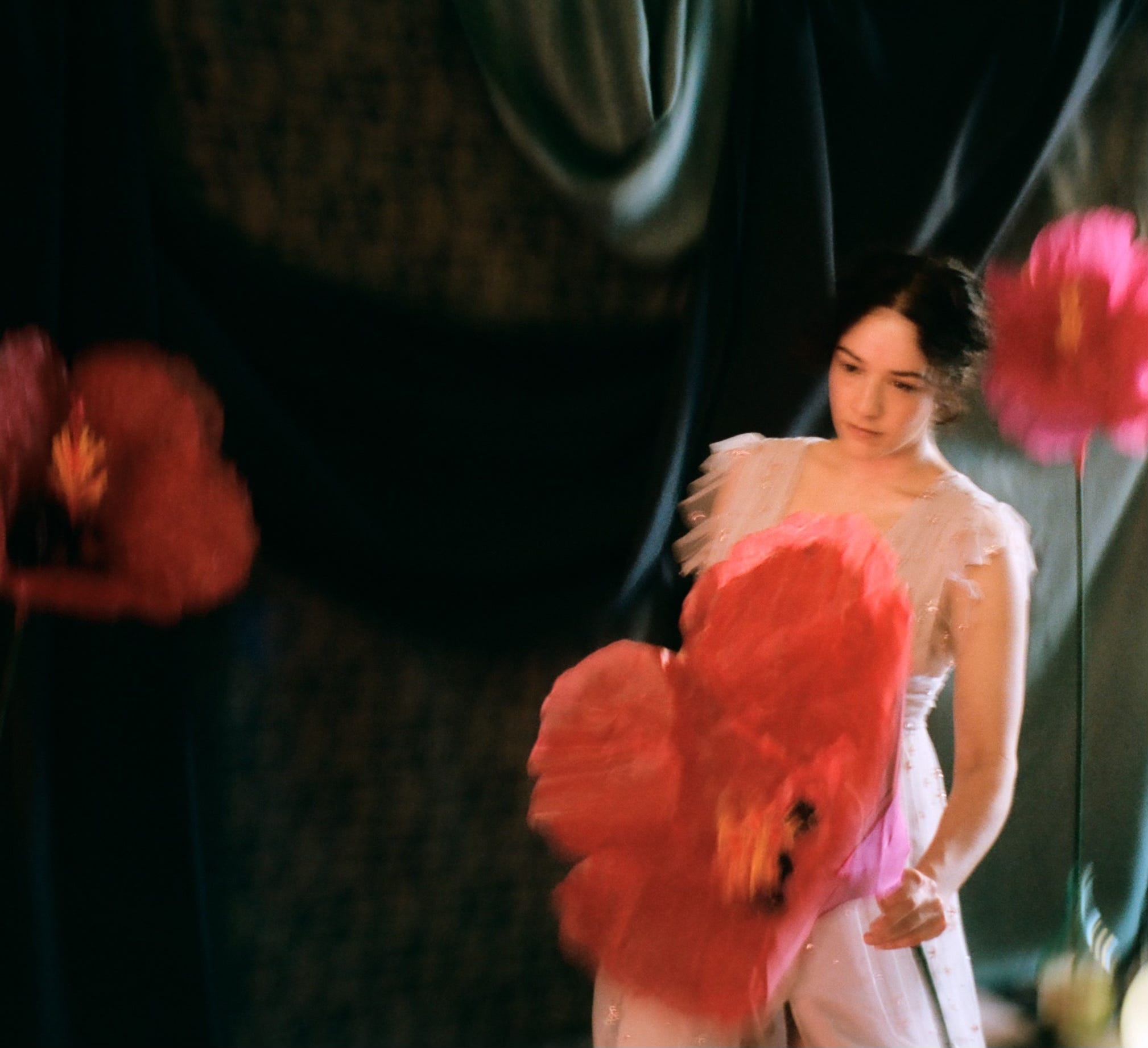
A series of moving portraits with my collaborator, Nola Donkin. She offers me beautiful set pieces that allow me to create female archetypes that feel like they already live inside of me but are finally getting space to be seen and embodied. We’re currently editing our AMAPOLA piece, which weaves in cultural symbols — the Puerto Rican flower, white rice, white plastic fans — objects that carry memory, ritual, and domestic intimacy. Each piece is accompanied by lullabies I’ve written, along with narration that adds another layer of voice and presence. I’m inspired by the way sound, object, and body can exist together to create something that feels both personal and collective at the same time.
If there is a thread running through Andrea’s work, it is the quiet insistence that nothing essential is ever truly lost in the body, only buried, waiting to be met with attention. Her practice becomes a way of excavating what has been silenced, not to fix it, but to let it speak in new form. In her world, movement is not performance but translation. What emerges is less a finished answer than a living conversation between memory, body, and becoming.
Get in touch with Andrea: Website / LinkedIn / Instagram
joi is a space for creative women to gather in New York, you can find us at joinyc.co.
So much magic!